


Bingo Country Boys: Tournament
4.21.01K Reviews
App Specs
- Version
- 1.601.885
- Updated On
- License
- Free
- Downloads
- 100,000+
- Developer
- Playcus Limited
- Categories
- Board
- Platform
- Android
Screenshots
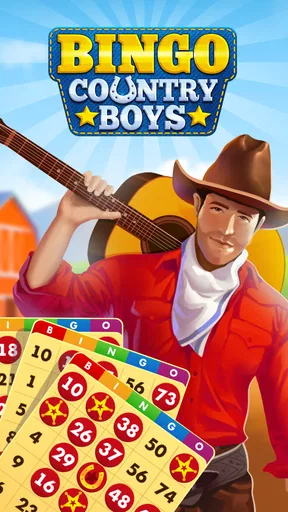
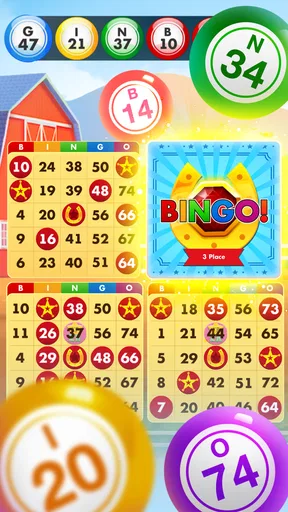
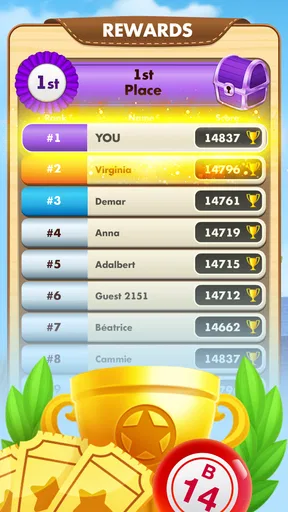


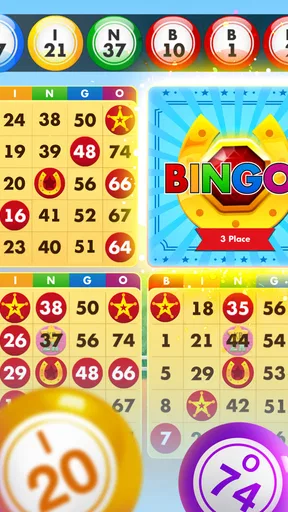

 Analysis by AppCompare
I found Bingo Country Boys: Tournament easy to understand at first glance, but more interesting once I stopped treating it like a quick number-matching pastime. It is a free board game from Playcus Limited built around bingo, with a country-themed presentation that gives the familiar format a lighter, more playful personality. The basic appeal is immediate: watch the called numbers, mark matching spaces, and try to complete the required pattern before the round moves on.
That simplicity makes it approachable for someone installing a bingo game for the first time. I did not need to learn a complicated ruleset before starting, and the age rating of Everyone 10+ makes it suitable for a broad audience. At the same time, the tournament framing suggests that the fun is not only in completing a card. There is also a sense of playing toward a result, which gives each session more purpose than an entirely casual offline board.
My overall impression is that it works best as a short, focused game for people who enjoy bingo but want more atmosphere than a plain digital card. It is not the right choice if you are looking for a deep strategy board game, a quiet offline experience, or a completely purchase-free progression path. For everyone else, it offers a friendly way to turn a few spare minutes into a small competition.
What to expect when you begin
The first thing to understand is that this is still bingo at heart. The country styling does not replace the core activity, so anyone familiar with calling numbers and marking a card will feel comfortable quickly. If you have never played digital bingo, the useful mindset is to focus on the current card rather than trying to understand every possible long-term element immediately. The first meaningful goal is simply to follow the calls accurately and complete a successful pattern.
I like that the game does not demand a large learning investment before it becomes enjoyable. Many board games introduce several currencies, menus, missions, and special rules before the player gets to do anything. Here, the recognizable bingo structure gives you an anchor. You can learn by playing, which is especially helpful on a phone where too much introductory information can feel cramped.
The tournament angle changes the mood slightly. A normal bingo session can feel passive, because you are mostly waiting for the numbers you need. A tournament-style setting encourages more attention: you are not merely filling a card at your own pace, but trying to make the most of the opportunity in front of you. That makes the game more engaging for players who like a clear win condition, while it may feel less relaxing to someone who prefers bingo as background entertainment.
The game has a 4.2 average from around 5.9 thousand ratings, and it has passed 100 thousand installs. Those figures do not tell me whether every player will enjoy the same aspects, but they do suggest that the concept has found an audience beyond a tiny niche. I would describe the experience as accessible first and competitive second, rather than as a demanding strategy title.
Worth Reading Before You Choose

EA SPORTS FC Mobile 26 Is a Bigger Football Game, but It Takes Time

Flipboard Shows What News Apps Must Do Beyond the Feed

Switching to Android Auto Means Rethinking Your Driving Routine

Google Calendar Makes a Crowded Week Easier to Manage

Ludo King Makes the Most of the Minutes Between Plans

Baby Panda World Brings Quick Play to Modern Phones, but Its Game Library Feels Busy
Because it is free to install, it is easy to test without committing money at the start. However, free entry does not mean every part of the experience will necessarily feel unlimited or equally generous. In-app purchases range from $1.99 to $99.99 per item, so I would approach the game with a personal spending boundary already in mind. That is not a criticism unique to this title; it is simply important in any game where progress or extra play opportunities may encourage optional purchases.
The best way to approach the first session
For a new player, I recommend treating the opening session as a tutorial you control rather than rushing to maximize every move. Watch how the card reacts to called numbers, notice where the game places its important prompts, and learn what the screen considers a completed result. This small pause pays off later because bingo games are easy to play incorrectly when attention is divided between the card and surrounding interface elements.
A practical habit is to scan the entire card after each call instead of looking only at the last number mentioned. On a small phone screen, it is easy to miss a match near the edge or to assume that a number was absent because it was not in the area you were watching. I found that a consistent left-to-right or top-to-bottom scan is more reliable than jumping around randomly.
Another useful habit is to avoid tapping in a hurry when several numbers appear close together. The game is designed for quick recognition, but speed without accuracy does not help. A player who takes a moment to confirm the number and its position is less likely to lose track of the developing pattern. This is one of the small differences between merely participating in a round and giving yourself a fair chance to finish well.
Getting through setup without overthinking it
The game runs on Android devices using Android 7.0 or later. That makes it available to people using a wide range of devices, including phones that are not among the newest models. Before starting, I would still close anything unnecessary if your phone tends to slow down during games. Bingo does not require the visual complexity of a large action game, but a clean session helps when you need to monitor numbers carefully.
The current version is 1.601.885. When installing, I would check that the game has finished updating before judging the opening experience. A partially completed installation or an interrupted update can make any mobile title feel confusing, especially when menus or visual elements have not loaded as expected.
Once the game opens, resist the temptation to explore every option immediately. Start with the most direct play route and learn the card interaction first. This is a better use of the first few minutes than trying to interpret every tournament label or promotional prompt before you have completed a round. After one successful game, those surrounding choices become easier to understand because you have a reference point.
I also suggest deciding in advance whether you want to make purchases. The game is free, but optional items can cost between $1.99 and $99.99 each. A simple rule such as “I will play without buying until I understand the complete loop” keeps the first session focused on the actual game rather than on pressure to spend. It also lets you judge whether the basic experience suits you before money becomes part of the decision.
The Everyone 10+ rating is useful context for families, but I would still treat the game as a title that may include competitive prompts and purchase opportunities. If a child is playing, it is sensible for an adult to establish expectations around spending beforehand. That is a practical setup step, not because the bingo rules are difficult, but because the surrounding progression can be more important to a younger player than it first appears.
How I reached the first meaningful success
The first satisfying milestone is completing a valid bingo result rather than simply opening the game or entering a round. To get there, I focused on three things: recognizing calls accurately, marking only confirmed matches, and keeping the target pattern in view. The third point matters because it is easy to mark numbers without thinking about how they contribute to the final shape.
Instead of watching the card as one large block, I mentally grouped it into rows, columns, or visible sections. That made it easier to see whether a call was helping a nearly finished line. It also reduced the feeling that I was searching the whole card from scratch after every number. This approach is especially helpful on a smaller display, where a quick glance can otherwise become tiring.
When I was close to completing a pattern, I slowed down rather than speeding up. Excitement creates mistakes: a player may tap a nearby number, overlook a match, or move on before checking the whole card. A calm final scan is more valuable than a frantic one. In a game centered on recognition, careful attention is a real advantage even though the underlying rules are simple.
After the first success, I would not immediately spend anything or assume that the next round should be played in exactly the same way. Use that moment to identify what changed: was the challenge the card layout, the pace of calls, or your own concentration? That answer helps you decide whether to continue for another round or take a break. Bingo can look repetitive from the outside, but the player’s attention is what determines whether the repetition feels satisfying.
A realistic everyday use case is a short break between tasks. I could see myself opening it while waiting for an appointment or taking a few minutes away from work, playing one focused round, and closing it without needing a long story or complicated preparation. It also suits a casual session with someone who already likes bingo but does not want to learn a new board game from scratch.
Common points of confusion and how to handle them
The most likely confusion for a first-time user is the difference between playing a card and understanding the wider tournament context. The card gives you an immediate task, while the tournament framing gives the session a broader competitive purpose. I recommend mastering the former before worrying too much about the latter. If you can consistently follow calls and recognize a completed result, the rest of the experience becomes much less intimidating.
Another possible stumbling block is assuming that every marked number is automatically useful. A marked space only matters in relation to the pattern you need. I found it more effective to keep asking, “What am I trying to complete?” rather than tapping every match without a plan. This small change turns the game from passive checking into a more deliberate board exercise.
Players may also wonder whether the game is suitable for relaxed play or whether every session feels like a contest. My answer is that it can serve both moods, but not equally. The bingo mechanics are calm enough for a casual break, while the tournament presentation adds a competitive edge. If you want a completely pressure-free digital version of bingo, a simpler alternative may feel more comfortable. If you enjoy having a reason to keep improving from one round to the next, this format has more appeal.
It is also worth separating the free download from the long-term value question. You can try the core experience without paying, which lowers the barrier to entry. Still, the presence of purchases means that players who are sensitive to monetization should pay attention to the choices presented during play. My advice is to evaluate the game on the free experience first and only consider spending if you already know exactly what you want and why it improves your enjoyment.
Compared with a physical bingo session, this game is more convenient and easier to start alone. You do not need cards, markers, a caller, or a group gathered around the same table. The trade-off is that a phone game cannot fully reproduce the social atmosphere of people reacting together in the same room. Compared with a plain offline bingo app, the tournament identity gives this title more direction, but it may also make it feel busier and less purely meditative.
Who should choose it, and who should skip it
I would recommend it to a player who likes bingo, wants short sessions, and enjoys a country-themed presentation with a competitive goal in the background. It is also a reasonable starting point for someone who has never played digital bingo, because the central action is familiar and easy to test without an upfront purchase.
I would be more cautious about recommending it to someone who dislikes timed attention, competitive framing, or optional purchase prompts. Players seeking a deep board-game system with meaningful strategic choices across many different pieces may find the bingo foundation too narrow. Likewise, anyone wanting a purely offline experience should look toward a simpler alternative designed around solitary play without tournament emphasis.
Families should consider the age rating and talk about purchases before handing over a device. The rules are approachable, but the broader game environment deserves the same attention as any free-to-start title. For adults, the main question is not whether the game is difficult to begin; it is whether the repeated bingo loop remains enjoyable after the novelty of the presentation wears off.
What to do after the first win
Once you have completed a successful round, the best next step is to decide what kind of player you want to be. If you are playing casually, use the game as a compact break and stop when your attention starts to fade. Bingo depends heavily on concentration, so continuing while distracted can make the experience feel frustrating rather than entertaining.
If you enjoy the tournament side, set a personal goal that does not depend on spending. For example, focus on improving your accuracy, learning the rhythm of a round, or seeing whether you can maintain attention through a full session. These goals give the game replay value without forcing you to chase every available option.
I also recommend reviewing your own comfort with the purchase structure after several free sessions. The available items span from $1.99 to $99.99, which is a wide enough range that impulse decisions can become disproportionate to the short length of a typical play session. If you do buy, keep it intentional and treat it as entertainment spending rather than as a requirement for learning the game.
Playcus Limited has kept the central idea recognizable: this is a board game about bingo, presented in a themed and tournament-oriented package. That focus is its strength. You can get from installation to a meaningful win without studying a large rulebook, and the short-session format fits naturally into everyday gaps in your schedule.
My final recommendation is therefore selective but positive. Bingo Country Boys: Tournament is worth trying if you want approachable bingo with a little more competitive direction than a basic digital card. Start slowly, learn the card before exploring the wider game, and decide your spending limits before the first session. If you prefer social table play, deep board-game strategy, or a completely quiet offline alternative, another option will suit you better. For a first-time mobile bingo player who wants an easy entry and a clear first success, this one makes a friendly introduction.
Pros
- Quick bingo rounds are easy to fit into short gaming sessions.
- Tournament rankings add extra motivation for competitive players.
- Simple controls make the game accessible to casual bingo fans.
- Bright visuals and country-themed presentation feel cheerful and inviting.
- Progression rewards encourage regular play without requiring long sessions.
Cons
- Tournament competition may feel difficult for new players.
- Frequent events can make the experience feel repetitive over time.
- Some rewards and features may encourage in-app purchases.
- An internet connection may be required for online tournaments.
- Random number draws can make results feel dependent on luck.
FAQs for Bingo Country Boys: Tournament
What is Bingo Country Boys: Tournament?
Bingo Country Boys: Tournament is a mobile bingo game with a country-themed presentation and competitive tournament format. Players complete bingo cards, call numbers, and try to achieve the required patterns before their opponents. The game is designed for quick sessions, with progression systems, rewards, and different challenges that can make each round feel more competitive than traditional offline bingo.
How do you play Bingo Country Boys: Tournament?
After starting a match, numbers are called and you mark the matching numbers on your card. Your objective is to complete the pattern or goal shown for that round, usually before the other players. Careful attention is important because matches can move quickly. As you progress, tournaments and special events may introduce new objectives, tougher competition, or additional gameplay features.
Is Bingo Country Boys: Tournament free to download and play?
The game can generally be downloaded without an upfront purchase, allowing players to try its main bingo mechanics at no initial cost. However, free-to-play games commonly include optional purchases for virtual currency, boosters, extra chances, or other conveniences. Before spending money, check the store listing and the in-game purchase information, especially if children may use the device.
Does Bingo Country Boys: Tournament require an internet connection?
An internet connection may be needed for important features such as tournaments, online rankings, account synchronization, advertisements, rewards, and limited-time events. Some parts of the game might load or function briefly without a connection, but offline availability can vary by version and device. For the most reliable experience, use a stable Wi-Fi or mobile-data connection.
Is Bingo Country Boys: Tournament suitable for children?
The colorful country-style theme and straightforward bingo rules may appeal to younger players, but parents should review the game’s age rating and privacy information before installation. Advertising, social or competitive features, and optional in-app purchases may be present. It is also advisable to enable purchase restrictions and check the permissions requested by the app before allowing a child to play.


